

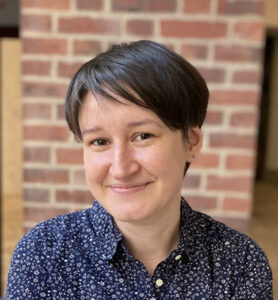
Rabbi Alisa Zilbershtein
by Rabbi Alisa Zilbershtein
(Edmonton) – Every year, as we polish our menorahs and stock up on candles, we prepare to commemorate an ancient miracle. The story is familiar: a small jar of oil, enough for just one day, burned for eight. Yet the name of our holiday points to a different wonder altogether. Hanukkah means “dedication”—specifically, the rededication of the Temple in Jerusalem after the Maccabees reclaimed it from those who had desecrated its sacred spaces.
The military victory was dramatic, but what followed was even more remarkable. The Maccabees were a priestly family, and they walked into a Temple that had been desecrated beyond recognition. They could not simply declare victory and move on—their sacred duty demanded that they restore what had been broken and make it holy again. This act of restoration became the heart of the holiday itself.
The Talmud in Shabbat 21b famously asks: “Mai Hanukkah?”—What is Hanukkah? The question seems almost absurd. Surely everyone knew what Hanukkah was! But the rabbis teach us that the obvious answer isn’t always the complete one. They were inviting us to look deeper, to ask not just what happened but what it means, generation after generation.
This year, as we kindle our lights, we might ask ourselves: what in our own lives is ready for rededication?
Our connections to the community are often the first to fray. We live busy lives, and the fabric of communal life can easily feel loose. We show up for High Holy Days, perhaps for the occasional Shabbat, but the regular rhythms of participation—the weekly kiddush conversations, the committee meetings that somehow become meaningful, the simple act of being present with the same people week after week—these require conscious recommitment. The Temple wasn’t rebuilt in a day, and neither is community. It asks us to keep showing up.
Our spiritual practices, too, may be waiting for renewed attention. The phones we check throughout Shabbat dinner. The Hebrew we meant to learn but never started. The Jewish books on our shelf we haven’t opened in years. None of these lapses make us bad Jews – they make us human. But Hanukkah whispers an invitation: what might happen if we approached one familiar practice as if for the first time? The Maccabees didn’t build a new Temple; they restored the one that had always been there.
And then there are our Jewish values – the commitments that shape how we move through the world. Tzedakah, giving to those in need. Gemilut chasadim, acts of loving-kindness. Bikur cholim, visiting the sick. We know these values; we teach them to our children. But knowing and living are different things. The prophet declared: “He has told you, O human, what is good, and what the Lord requires of you: only to do justice, to love kindness, and to walk humbly with your God.” (Micah 6:8) The requirements themselves are ancient, but the doing is always new, always demanding fresh dedication.
When the Maccabees finally entered the Temple, they searched until they found a single jar of oil hidden away and still bearing the seal of the High Priest, a small vessel that had somehow survived the destruction around it. This is the real miracle: that even after devastation, something pure remained. The oil was there all along, waiting to be found.
The same might be true for us. Beneath the busyness and distraction, beneath the obligations that pile up and the connections that fray, something essential remains sealed and whole – the wonder and longing and love for this tradition that has carried our people through millennia. Like that jar of oil, it remains hidden within us, waiting to be set alight.
As we place our menorahs in the window this Hanukkah, we fulfill the mitzvah of pirsumei nisa – publicizing the miracle. We announce to the world that light persists even in darkness, that dedication has the power to make holy again what was once profaned. But the deepest miracle isn’t the one we show to others. It’s the one we discover within ourselves, when we pause long enough to ask: what am I ready to rededicate?
The candles will burn down. The last latke will be eaten. The dreidels will return to their drawers. But the invitation of Hanukkah lingers well beyond the eight nights. A Temple was rededicated once, long ago. And we, its inheritors, carry that capacity for rededication within us – not as a single act but as a practice, renewed each time we remember who we are called to be.
Rabbi Alisa Zilbershtein is Rabbi at Beth Shalom Synagogue in Edmonton.

Be the first to comment on "Rabbi Alisa Zilbershtein: What Hanukkah Really Means"