


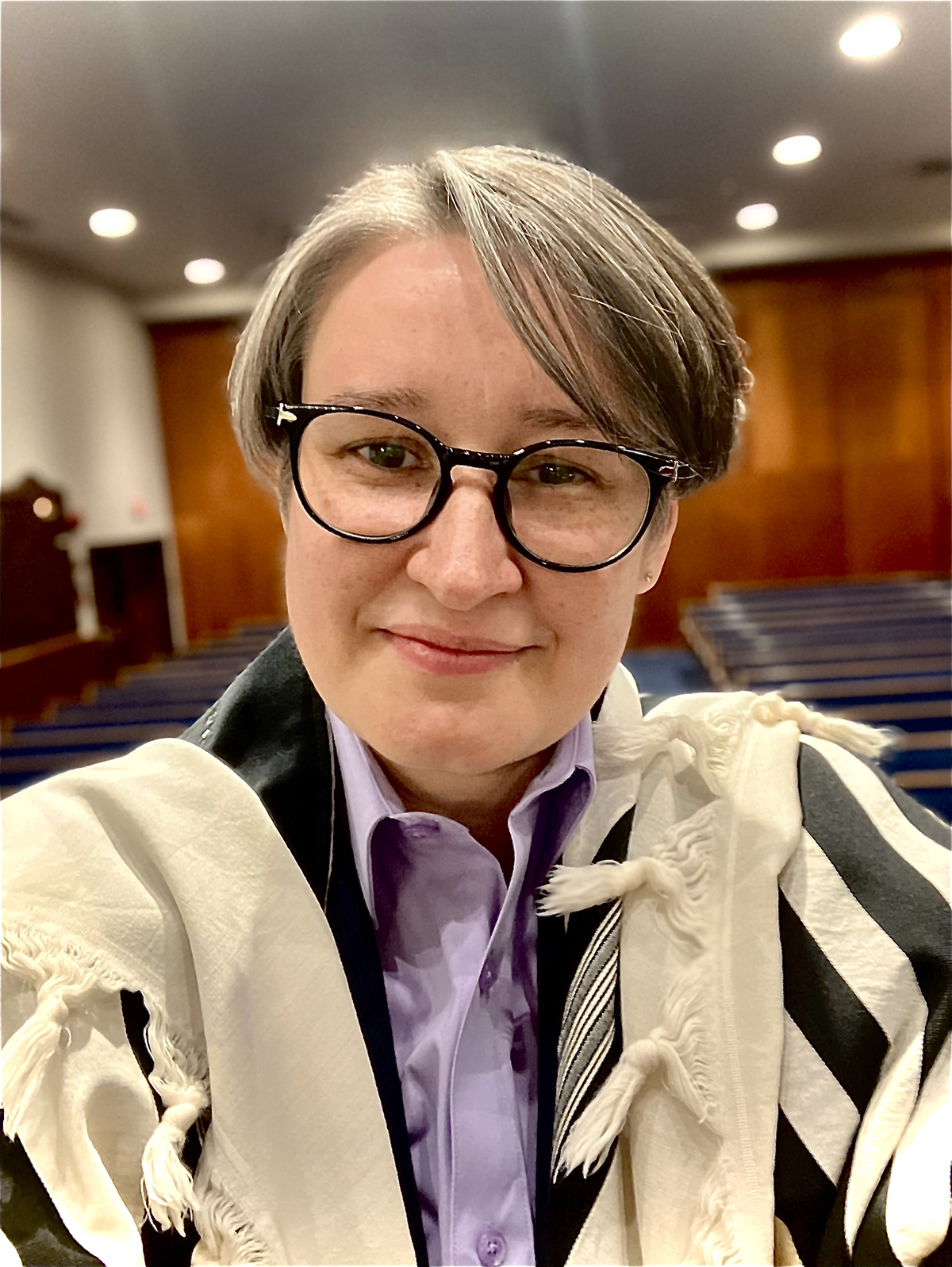
Rabbi Alisa Zilbershtein
By Rabbi Alisa Zilbershtein
(Edmonton) – As we prepare for Pesach this year, we do so at a remarkable moment in Israel’s history. The war with Iran has created a genuine possibility – perhaps for the first time in decades—that the existential threat to Israel might be addressed. We approach our seders carrying both hope for what this could mean and grief for what it has cost.
Watching footage from Iran these past weeks – the destroyed buildings, the rubble and dust filling the streets – I found myself thinking about bricks and mortar. The images brought to mind charoset, the mixture we place on our seder plates. The Talmud in Pesachim describes how we prepare charoset thick like mortar, and when ground together, the mixture resembles the clay our ancestors used for bricks in Egypt. This commemorates the labour of slavery, the exhausting work of building for Pharaoh.
At the same time, we make charoset from apples, dates, figs, pomegranates, nuts, wine, and sweet spices. These ingredients connect to a powerful tradition about Jewish women in Egypt. When Pharaoh ordered Hebrew baby boys killed, women went to the apple orchards to give birth in hiding. Tradition links this to the verse in Song of Songs: ‘Under the apple tree I awakened you; there your mother conceived you,’ understanding it as a reference to these secret births in Egypt.
While labouring under slavery, Jewish women were also bringing children into the world. They chose life and love even under Pharaoh’s rule. They acted as though there would be a future worth living in, even when that future seemed distant. The mortar and the apples come from the same chapter of our story – one reflects the oppression, the other reflects the determination to survive it and build beyond it.
Israel now stands at a threshold. Iran’s regime has threatened our people for decades, funding terror, building weapons, and openly calling for Israel’s destruction. The current conflict may finally end this threat. Israeli children might grow up without this shadow over their futures.
The price has been real. Soldiers have given their lives. Civilians in both Israel and Iran have died. Families mourn losses that will echo for generations. We acknowledge this grief even as we recognize what might be gained.
When we make charoset, we physically combine these elements. The thickness of mortar and the sweetness of fruit become one substance. You taste both together.
We can make that same choice during uncertain times. We can hold grief for those who have fallen and hope for Israel’s security. We can recognize the difficulties of war and still welcome the possibility of lasting peace and safety for our people. Liberation has never arrived neatly wrapped. It comes through struggle, through sacrifice, through difficult decisions made by people who believed the future was worth fighting for.
At our seders this Pesach, when we taste charoset, we taste the legacy of those women in Egypt who refused to let Pharaoh determine their future. They laboured as slaves because they had no choice, but they also chose to bring new life into the world, to love and to hope. They lived in the reality of slavery while actively creating the possibility of freedom.
Chag Pesach Sameach.
Rabbi Alisa Zilbershtein is Rabbi at Congregation Beth Shalom in Edmonton.

Be the first to comment on "Rabbi Alisa Zilbershtein: The Sweetness of Liberation"