
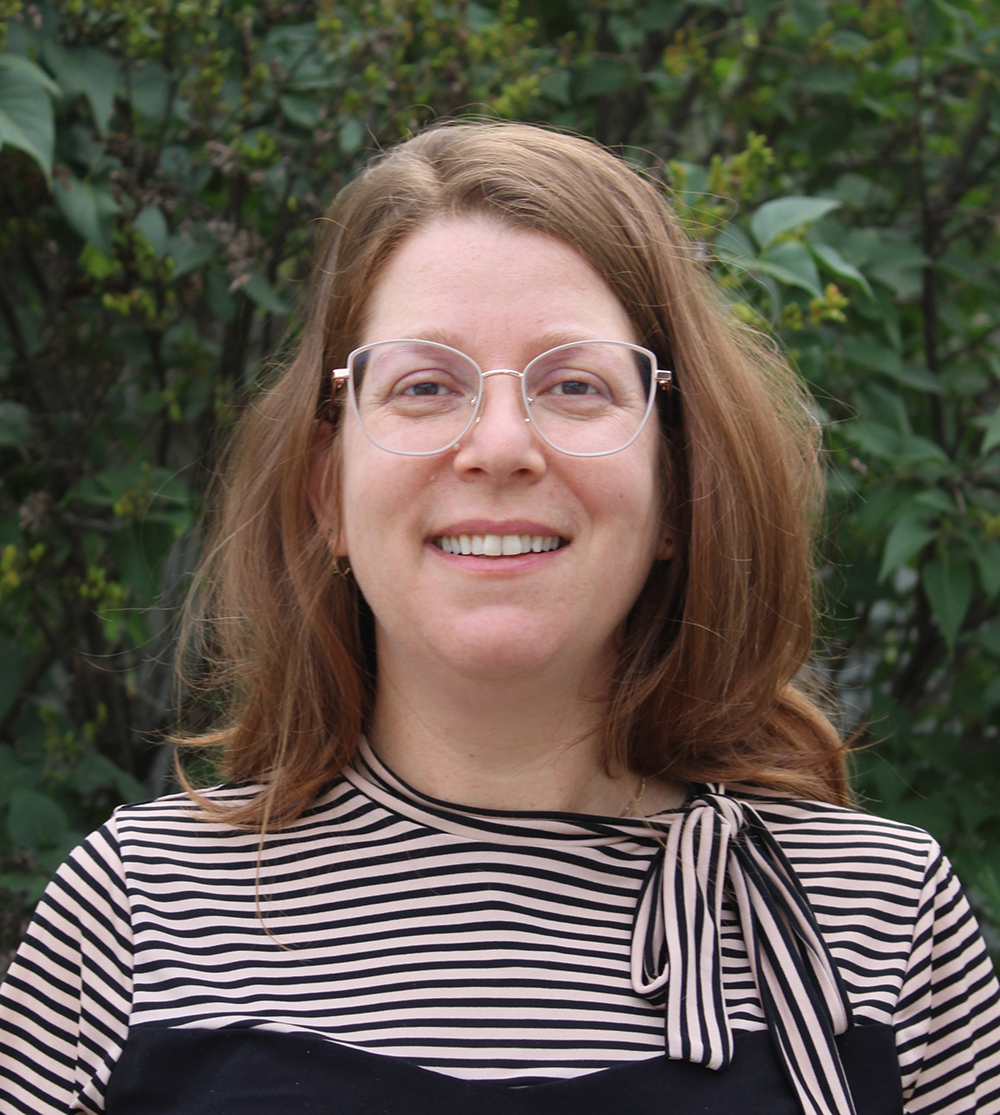
Rabbah Gila Caine
by Rabbah Gila Caine
(Edmonton) – Zionism has become a contentious word in parts of the Jewish world, mainly due to a well-organised smear campaign run by forces outside our community. Go read more about antizionism as a form of Jew-hatred in the works of Adam Louis-Klein and others. And yet, some of the discomfort for a section of the Jewish nation with the word Zionism (mostly disconnected from the fact that an overwhelming majority of Jews celebrate our relationship with Eretz Yisrael, the Land of Israel) lies in the manner in which we’ve built our narrative both as Israelis and as Diasporic Jews.
Are we Zionists because we articulate our relationship with Israel in the language of refuge, or, in the language of sanctuary? Very slight difference, but worlds apart.
On the night before leaving Mitzrayim (Egypt), Hashem told B’nei Yisrael to take blood from the sacrificial lamb and “…. put it onto the two posts and onto the lintel…” (Shemot 12:7). This was done to mark their homes so they would be saved from our God flying around that land all night, it was a mark of protection.
I think of this protective blood today, even here in Canada and all the more so for our family and friends in Israel and around the world. In a chilling and inverted way, it reminds me as well of the doorposts of synagogues around the world as our communities are now being attacked in acts of sacrilege and desecration.
A friend asked some days ago “Is anywhere safe for us?!”, articulating the feeling of many Jews as they experience perceived safety shifting under our feet. Are Jewish spaces the only safe places for us today? Are we flung together out of necessity? Are we, as articulated poignantly by Rav Soloveitchik in his exploration of human suffering, thrust into a covenant of fate, a shared destiny “[where the individual] is subject and subjugated against his will to the national fate/existence, and it is impossible for him to avoid it and be absorbed into a different reality” (R’ Soloveitchik, Kol Dodi Dofek)?
Rav Soloveitchik offered us two ways of understanding our shared Jewish destiny. The first is the above-mentioned Covenant of Fate, and it is predicated much more on the decisions of those around us than on our own desires. It is the outcome of Jew-hatred.
The second destiny Rav Soloveitchik suggests is a Covenant of Destiny, in which “The nation is enmeshed in its destiny because of its longing for an enhanced state of being, an existence replete with substance and direction” (R’ Soloveitchik, Kol Dodi Dofek). This second covenant is rooted at Mount Sinai during the time B’nei Yisrael received Torah – “Moshe took the blood, he tossed it on the people and said: Here is the blood of the covenant that YHWH has cut with you by means of all these words.” (Shemot 24:8).
This verse throws me back to the blood on B’nei Yisrael’s doorposts, and I ask myself, in what way is the blood of covenant different from the blood on the doorpost?
In the Torah, blood is the liquid of life and the symbol of a living creature’s life-force (which is why Jews are never allowed to eat blood). And since Zionism is our covenant with our people and our land, the question we need to ask ourselves is this: What sort of life-force are we placing at the centre of our Zionism? Is our Zionism one of protection? Is it forever an outgrowth of the Shoah and October 7? Is Israel only our refuge? It sounds crazy asking this now, as Iranian missiles rain down on Israel and as Jewish institutions are attacked around Canada. But we have to ask ourselves this question. Not because we ignore the Covenant of Fate, a very real and important reality, but because we must centre a Zionism which embodies the promise of shared Destiny, wherever we are in the world. This Zionism of Destiny reminds us we are choosing time and again, with pride and joy in our heritage and with all of our being, to come together in the building of our communal Sanctuary.
We can learn from the calendar year: Our covenant with God and with our people might have some of its roots in shared fate and fear of the very real dangers raging outside our doorways. This is the long-ago night of Pesach. But as we remember that night and learn from what it can teach us, we must shift our focus and make our way to the sacred mountain of Sinai, where we go into a deeper covenant of meaning with our God and with our people for all of eternity.
Am Yisrael (the People Israel), and Eretz Yisrael (the Land of Israel), and of course the ever-evolving Torah of Israel, are all intertwined, all giving meaning to each other. This is a Zionism of life.
May the echoes of war quiet down in Canada, and may the flames of war die down in Eretz Yisrael, may all the people of Israel be protected and safe.
And may the month of Nissan bring with it new flower-buds blossoming on our Tree of Life.
Chag Pesach Sameach.
Rabbah Gila Caine is the Spiritual Leader at Temple Beth Ora in Edmonton.

Be the first to comment on "Rabbah Gila Caine: Understanding our Jewish identity"